How I Built Systems to Scale Creative Operations
Over 7 years at The Washington Post, I didn't just manage a design team. I architected the operational infrastructure that allowed a 3-person team to deliver what typically requires 15+ people.
These case studies show how I approach design operations: identifying bottlenecks, building systematic solutions, collaborating with stakeholders, and measuring impact.
Featured Case Studies

How I transformed a 60-person video team drowning in ad-hoc graphics requests into a self-service operation through systematic template design and stakeholder collaboration.
50-100 hours saved weekly
95% of basic graphics became self-service
15+ template categories created
Zero additional headcount required
Design Systems • Template Architecture • Stakeholder Management • Process Documentation • Change Management
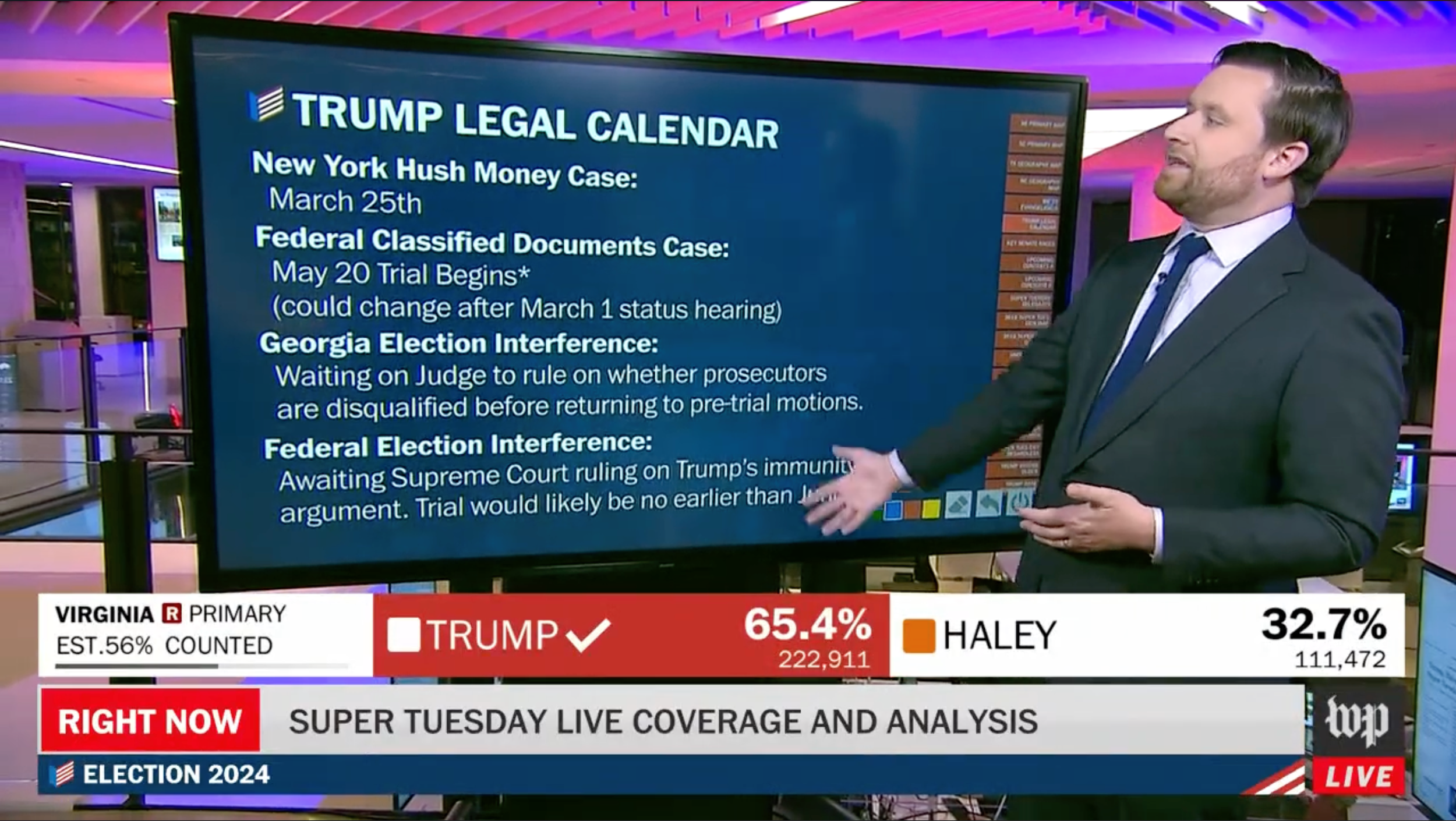
How I designed and documented a complete live graphics system that enabled distributed contractors to execute complex broadcast graphics in real-time during high-stakes election coverage.
50+ live graphics elements managed by single operator
8 major elections covered (2016-2024)
Coordinated teams across 4 time zones
Technical Documentation • Distributed Team Coordination • Real-Time Operations • Systems Architecture • Workflow Design
Systems Thinking at Scale
I don't just solve immediate problems. I build infrastructure that prevents problems from recurring. Every system I design considers how it will scale, how it will be maintained, and how new team members will learn it.
Stakeholder-Driven Design
The best operational systems are built collaboratively. I run structured feedback sessions, document real-world usage patterns, and iterate based on actual workflows—not theoretical use cases.
Measurable Impact
Every system I build has quantifiable outcomes: hours saved, requests eliminated, consistency improved, or capabilities enabled. If you can't measure it, you can't manage it.
Documentation as Infrastructure
I treat documentation with the same rigor as code or design. Clear usage guidelines, visual examples, and decision trees transform collections of assets into coherent systems that teams can actually use.